A food of the high Andes
Maca grows where few crops can, on the cold, windy plateaus of central Peru. Andean communities have eaten the root for generations, dried, boiled or ground into flour. Gonzales's 2012 review covers its ethnobiology and pharmacology, and an earlier review follows it "from tradition to science".
Why it is in GlycoDefender
Blood sugar swings and energy swings go together. Maca is used as an adaptogen-style food to support stamina and even energy, so you are less likely to reach for sugar at 3 p.m. Listed first in the blend, it is the biggest single botanical in each dropperful.
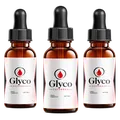
Try GlycoDefender risk-free. $49 a bottle on the 6-pack (you save $600, free US shipping and 3 bonus guides) or $69 on the 3-pack. Every order has a 60-day money-back guarantee.
Check Today’s PriceMaca and women in midlife
Maca is popular with women in their 40s and 50s looking for natural energy support. See GlycoDefender for women.
Safety
Maca has a long history as a food. As with every ingredient in GlycoDefender, the label says it is not for pregnancy, nursing or under-18s.
Maca works best with partners
In GlycoDefender, maca teams up with eleuthero, ginseng and guarana for energy, and with chromium and gymnema for glucose use and cravings. See the adaptogen trio.
Maca colors and forms
Maca roots come in different colors, mainly yellow, red and black, and researchers have studied them separately. The GlycoDefender label lists "maca (Lepidium meyenii) root extract" without specifying a color. Supplements usually use dried root that is powdered or extracted; in GlycoDefender it comes as a concentrated extract within the liquid blend, so you get it without the earthy, malty taste maca powder is known for.
Get maca in every dropperful
FAQ
Why is maca first on the GlycoDefender label?
Blend ingredients are listed by weight, so maca is the largest share.
Does maca have caffeine?
No. The natural caffeine in GlycoDefender comes from guarana and green tea.
What does maca taste like?
In GlycoDefender the taste is softened by natural flavors, stevia and xylitol.
Sources
- PubMed: Gonzales GF. Ethnobiology and ethnopharmacology of Lepidium meyenii (maca). Evid Based Complement Alternat Med 2012
- PubMed: Gonzales GF. Maca, from tradition to science. Forsch Komplementmed 2009
General information, not medical advice. Prices and label details come from the official GlycoDefender pages, checked October 20, 2026; the checkout page and the label on your bottle take priority. Read our disclaimer.
